Mastering the Art of How to Pack for A Move

Learning how to pack for a move begins with a mindset shift toward organization. Most people feel overwhelmed because they view the entire house as one single task. Instead, break your home down into small zones to make the process manageable. Starting early is the best way to avoid last-minute chaos and ensure items remain safe. If you want additional guidance, working with professional moving services can help you plan efficiently from day one.
Effective preparation requires a clear timeline and the right mindset. You should begin gathering supplies at least several weeks before the scheduled transition date. This early start allows you to sort through belongings and decide what is truly worth transporting. A well organized approach reduces the physical and emotional burden that typically accompanies relocating to a new space.
Gathering Essential Packing Materials
Before you dive into the work, you must collect high quality materials. Using sturdy boxes is vital for protecting your valuable possessions during transit. You will need various sizes to accommodate different items, from heavy books to lightweight linens. Investing in quality tape and cushioning materials like bubble wrap or packing paper prevents shifting and breakage.
Having a surplus of supplies is better than running out in the middle of a session. Make sure you have plenty of permanent markers for clear labeling on every side of the box. Proper materials act as the first line of defense against potential damage. When you have everything ready, you can focus entirely on the technique of how to pack for a move.
Room by Room Sorting Strategy
The most efficient way to handle a large volume of items is to work room by room. Start with the areas you use the least, such as the attic, basement, or guest bedroom. This prevents you from packing essential daily items too early. By clearing out these secondary spaces first, you create a staging area for finished boxes.
As you move through each room, stay disciplined and finish one space before moving to the next. This method provides a sense of accomplishment and keeps the rest of the house functional. It also makes it much easier to track your progress and estimate how much work remains. Consistency is the secret to a smooth and predictable packing experience.
Decluttering Before You Begin
One of the most important parts of learning how to pack for a move is knowing what to leave behind. Moving is the perfect opportunity to purge items that no longer serve a purpose in your life. Be honest about which clothes, gadgets, or pieces of furniture are actually worth the effort of transporting and unpacking.
Reducing the total volume of your belongings can save you significant time and energy. It also lowers the cost of supplies and reduces the physical space required in the transport vehicle. Don't be afraid to donate, sell, or discard things that have been sitting unused for years. A lighter load makes the entire process more efficient and much faster.
Specialized Techniques for Fragile Items
Fragile items require a delicate touch and extra layers of protection. When handling glassware or ceramics, always wrap each piece individually in clean paper. Use plenty of crumpled paper at the bottom and top of the box to create a shock absorbing cushion. This prevents the contents from making contact with the hard exterior of the container.
Always mark these boxes as fragile in large, bold letters on multiple sides. This alerts everyone involved in the process to handle those specific containers with extra care. Taking these small precautions significantly reduces the risk of opening a box to find shattered keepsakes. Patience during this stage is the key to preserving your most cherished household items.
Guidelines for Heavy and Bulky Goods
- Use small boxes for heavy items like books or canned goods to prevent the bottom from breaking out during transit.
- Distribute weight evenly by placing heavier objects at the bottom of the box and lighter items on top to maintain balance.
- Tape the bottom seams of every box multiple times to reinforce the structure against the downward pressure of heavy contents.
- Avoid overfilling large boxes with heavy items because they become difficult to lift and can lead to physical strain or injury.
Labeling for Efficient Unpacking
A box without a clear label is a mystery that causes frustration later. Your labels should include the destination room and a brief description of the contents. For example, mark a box as Kitchen Pots and Pans or Master Bedroom Linens. This simple step ensures that every container ends up in the correct spot at your new home.
Consider using a color coded system for even faster identification. Assign a specific color to each room and apply a corresponding sticker or marker swipe to the boxes. This visual guide allows anyone helping you to instantly know where each item belongs. Clear communication through labeling is a cornerstone of how to pack for a move effectively.
Managing Your Essentials Bag
An essentials bag is a collection of items you will need immediately upon arrival. This should include toiletries, basic tools, important documents, and a change of clothes for everyone in the family. By keeping these items separate, you avoid the stress of digging through dozens of sealed boxes just to find a toothbrush.
Think of this bag as your survival kit for the first twenty four hours in a new space. It should be the last thing you load and the first thing you take out. Having easy access to your daily necessities makes the first night in your new home much more comfortable. It provides a sense of normalcy amidst the surrounding sea of cardboard boxes.
Packing Electronics and Appliances
Electronics are sensitive to temperature and movement, so they need special care. If possible, use the original manufacturer packaging for items like televisions or computer monitors. If those boxes are gone, use heavy duty boxes and plenty of anti static padding. Remember to take photos of the wire configurations before unplugging anything for easy setup.
Small appliances should be cleaned and dried thoroughly before they are placed in containers. Remove any loose parts like glass trays or detachable blades and wrap them separately. Taping cords to the side of the appliance prevents them from tangling or causing scratches. Proper preparation ensures your expensive gadgets arrive in perfect working condition at your destination.
The Strategy for Clothing and Linens
Clothing can be moved in several ways depending on your available resources. Wardrobe boxes allow you to keep clothes on hangers, which saves a massive amount of time during the unpacking phase. For casual wear, the rolling method can save space and prevent excessive wrinkling inside standard boxes or suitcases.
Linens and towels can serve a dual purpose during the process. Use them as extra cushioning for fragile items or to fill empty gaps inside boxes. This prevents items from shifting around while the vehicle is in motion. Maximizing the utility of your soft goods is a smart way to streamline the work and protect your property.
Safety Tips for Heavy Lifting
- Keep your back straight and bend at the knees whenever you are picking up a box from the floor or a low surface.
- Wear closed toe shoes with good traction to protect your feet and prevent slipping on smooth or dusty surfaces during the move.
- Use a dolly or hand truck for the heaviest items to reduce the total amount of physical labor required for the day.
- Always communicate with your partner when moving large pieces of furniture to ensure you are both in sync and moving safely.
Maintaining Your Moving Timeline
Sticking to a schedule is vital when you are figuring out how to pack for a move. Set daily goals for how many boxes you want to complete to keep the momentum going. If you fall behind, it becomes tempting to rush, which often leads to poor organization and broken items. A steady pace is always better than a frantic sprint.
Share the timeline with everyone involved in the process so expectations are clear. Breaking the work into four hour blocks can help prevent burnout and keep focus high. When everyone knows the plan, the entire household can work together more harmoniously. Discipline and consistency are the primary drivers of a successful and timely relocation project. For moves that span cities or states, planning for short and long distance relocations ensures transportation logistics are handled professionally.
Final Walkthrough and Loading Sequence
Before the final box is taped shut, perform a thorough walkthrough of every room. Check the insides of cabinets, the backs of closets, and even the dishwasher. It is surprisingly easy to overlook small items during the rush of a big project. A final sweep ensures that nothing important is left behind in the old space.
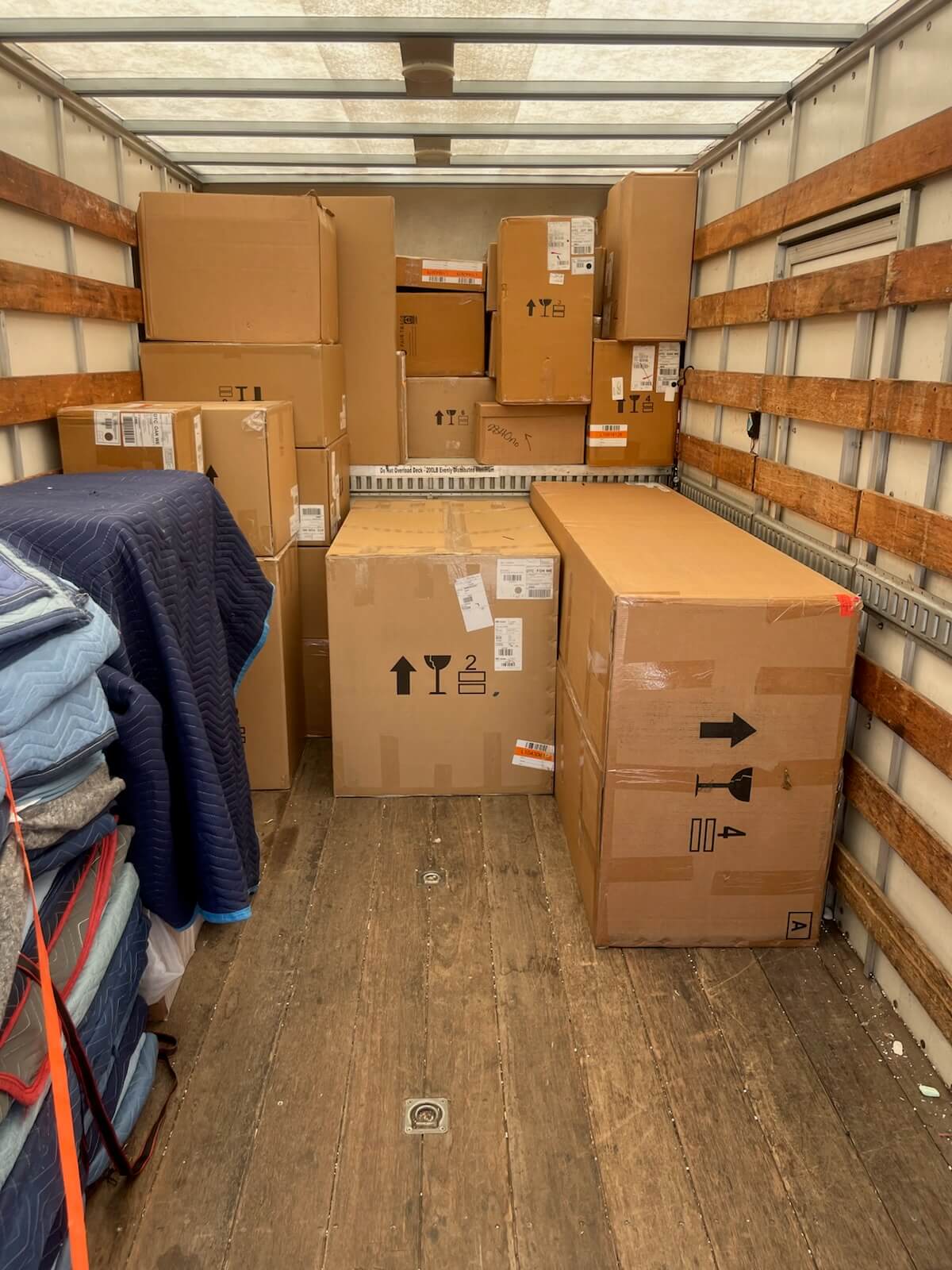
When loading the vehicle, place the heaviest boxes at the front and along the sides for stability. Use straps to secure large furniture items so they do not slide during transit. Proper weight distribution is essential for the safety of the driver and the protection of your belongings. A well loaded truck is the final step in a job well done.
Understanding the Scope of the Work
Packing an entire household often takes more time than people initially estimate. It is common to spend hundreds of hours sorting and securing items for a standard sized home. Acknowledging the scale of the task helps you prepare mentally for the effort required. It also highlights the value of having an experienced team to help with the heavy lifting.
Professional insight can often identify risks that a homeowner might miss. For example, certain items like hazardous materials or perishables should never be packed for transport. Knowing these rules saves time and prevents potential safety issues. Expertise in the logistics of moving is a valuable asset that ensures your property is treated with the respect it deserves.
Achieving Your New Home Transition
The ultimate goal of learning how to pack for a move is to start your new chapter on a positive note. When your belongings are organized and safe, you can focus on the excitement of your new surroundings. The hard work you put in now pays off the moment you begin to settle into your new living space.
A successful move is a significant life milestone that deserves proper planning. By following these steps, you ensure that your memories and possessions arrive ready for the next adventure. Whether you are moving across town or across the country, a professional approach makes all the difference in your experience and your overall peace of mind.
Finalize Your Professional Moving Plan
If the physical demands of preparing your home feel like too much to handle, our professional team is here to support you. We understand the complexities involved in securing your life's work for transport. Our crew brings years of experience and dedicated care to every project, ensuring your transition is as smooth and stress free as possible for you. Choosing reliable residential moving services can remove much of the burden and allow you to focus on settling into your new home.
You can contact Scott Family Expediting by calling 805-263-5450 to discuss your specific needs and timeline. We are committed to providing reliable service that respects your property and your schedule. For further information or to start your journey, send an email to scottfamilyexpediting@gmail.com to connect with our friendly and helpful staff today.




Frequently Asked Questions
You should generally begin the process at least four to six weeks before your scheduled date. Starting with non essential items like seasonal clothing and books allows you to work at a steady pace. This early start prevents the stress of rushing and ensures you have enough time to pack every item safely.
The most effective method is to use a clear labeling system that includes the room name and a brief list of the contents. You might also consider numbering your boxes and keeping a master inventory list on your phone. This makes it much easier to verify that every container has arrived at your new home.
Always place heavy items like books, tools, or kitchen appliances in small boxes to keep the weight manageable. Large boxes should be reserved for lighter, bulkier items such as pillows, blankets, or towels. This prevents the boxes from breaking and reduces the risk of back strain during the lifting process.
Protect fragile items by wrapping each piece individually in packing paper or bubble wrap. Fill any empty spaces in the box with crumpled paper to prevent the items from shifting while in motion. Always mark these containers as fragile in large letters so they are handled with extra care by everyone.
You should always keep essential documents, expensive jewelry, and daily medications in a personal bag that stays with you. Include basic toiletries and a change of clothes so you have what you need for the first night. Keeping these high priority items close by provides peace of mind during the move.
.png)
Ready to book your move?
Get a free quote or talk with our team to walk through your move, ask questions, and schedule a time that works best for you.
.png)